
Early childhood
Children & Adolescent Scoliosis
Structured assessment, diagnostics and surgical consultation to German guideline standards — for families who want to be sure before they act.
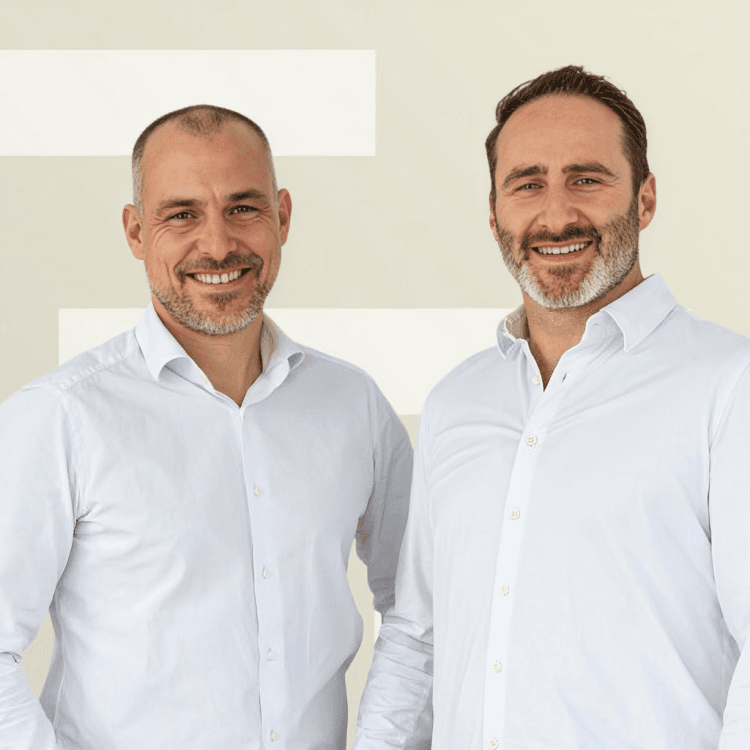
Your child's care is led by two of Germany's most published spine surgeons, previously heading the spine program at Schön Klinik München-Harlaching.
Orthopedic spine surgeon. Cervical spine & complex deformity
01 / INTERACTIVE
Answer the questions below — a personalized plan with articles, definitions, and next steps appears at the end. Your answers stay with you.
Not medical advice. The quiz helps you orient yourself before a consultation with a doctor.
Treatment and prognosis differ significantly by age. This helps direct you to the most relevant information.
Early childhood

Adolescence
Slide to your child's Cobb angle to see what it means.
From first contact to treatment plan. IIMI Institute takes charge at every step.
Write via WhatsApp — describe your child’s situation briefly.
Share X-rays, medical reports, and growth data.
In-depth discussion with the leading orthopedist and answers to all your questions.
Personalized strategy: observation, bracing, or surgery roadmap.
Regular progress monitoring and long-term patient support.
Bring these to your child's first consultation:

Bring these to your child's first consultation:
Do you have:
Previous X-rays, MRI images and reports
Each topic explained the way your doctor would: without medical jargon, with actionable guidance.
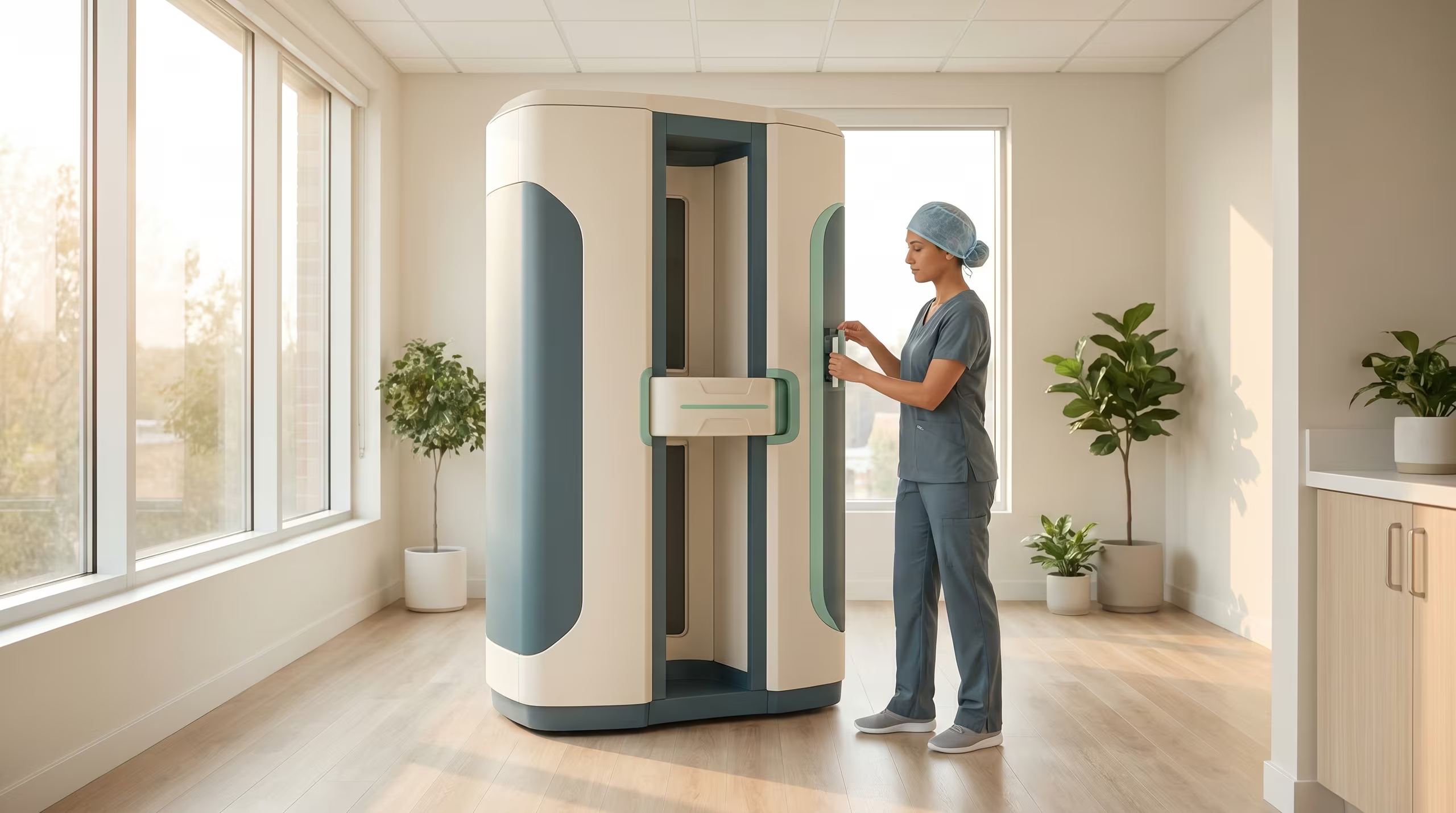
A scoliosis diagnosis is built from several building blocks. First comes a precise clinical examination and palpation. If indicated, a full-spine radiograph follows, from which the Cobb angle is derived. This page explains which step answers which question.
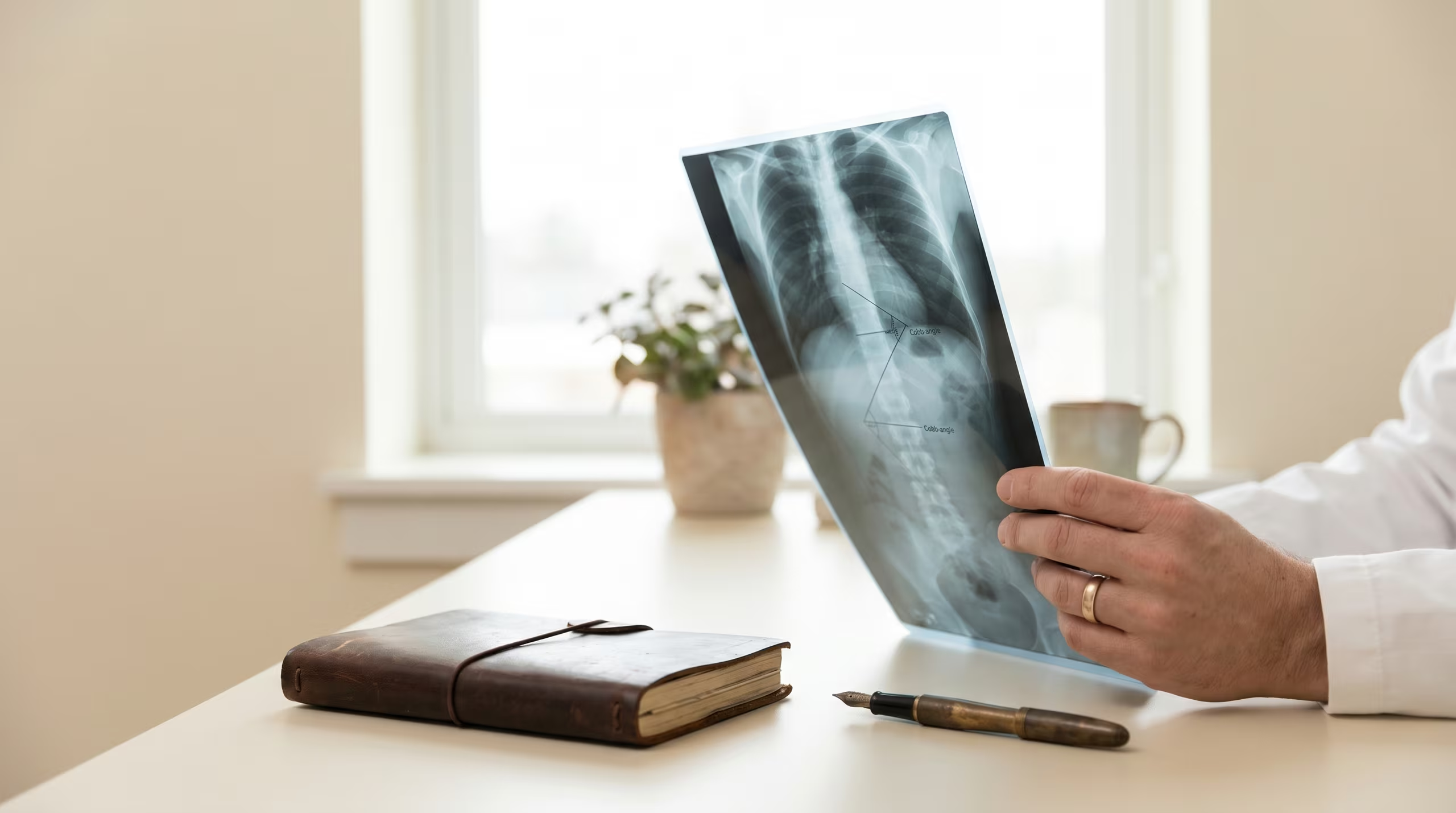
A surgical decision is rarely made spontaneously and never on the basis of a Cobb angle alone. This page explains which criteria must come together and why composure and a second opinion are time well invested.

A well-fitted brace is the most effective conservative option for moderate scoliosis curves during ongoing growth. It is demanding, yet time-limited, and it can help avoid an operation.

Some signs of childhood or adolescent scoliosis are visible to the naked eye; others become noticeable only on closer inspection. This page describes the indicators worth paying attention to, along with situations in which a medical appointment is advisable.
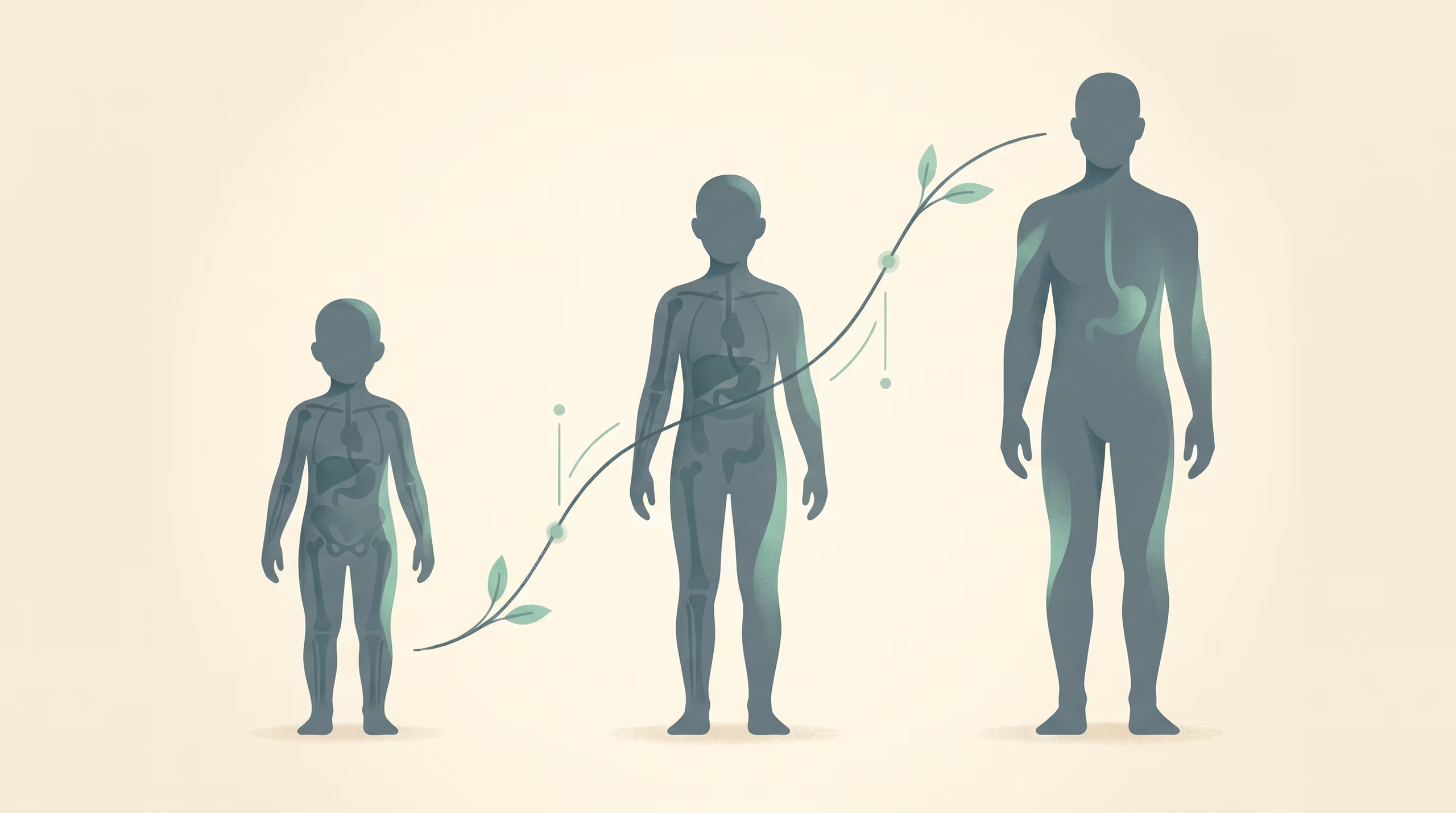
The course of adolescent scoliosis is determined primarily by the remaining growth potential and the current Cobb angle. Both parameters are measurable, and they form the basis of every well-grounded decision.
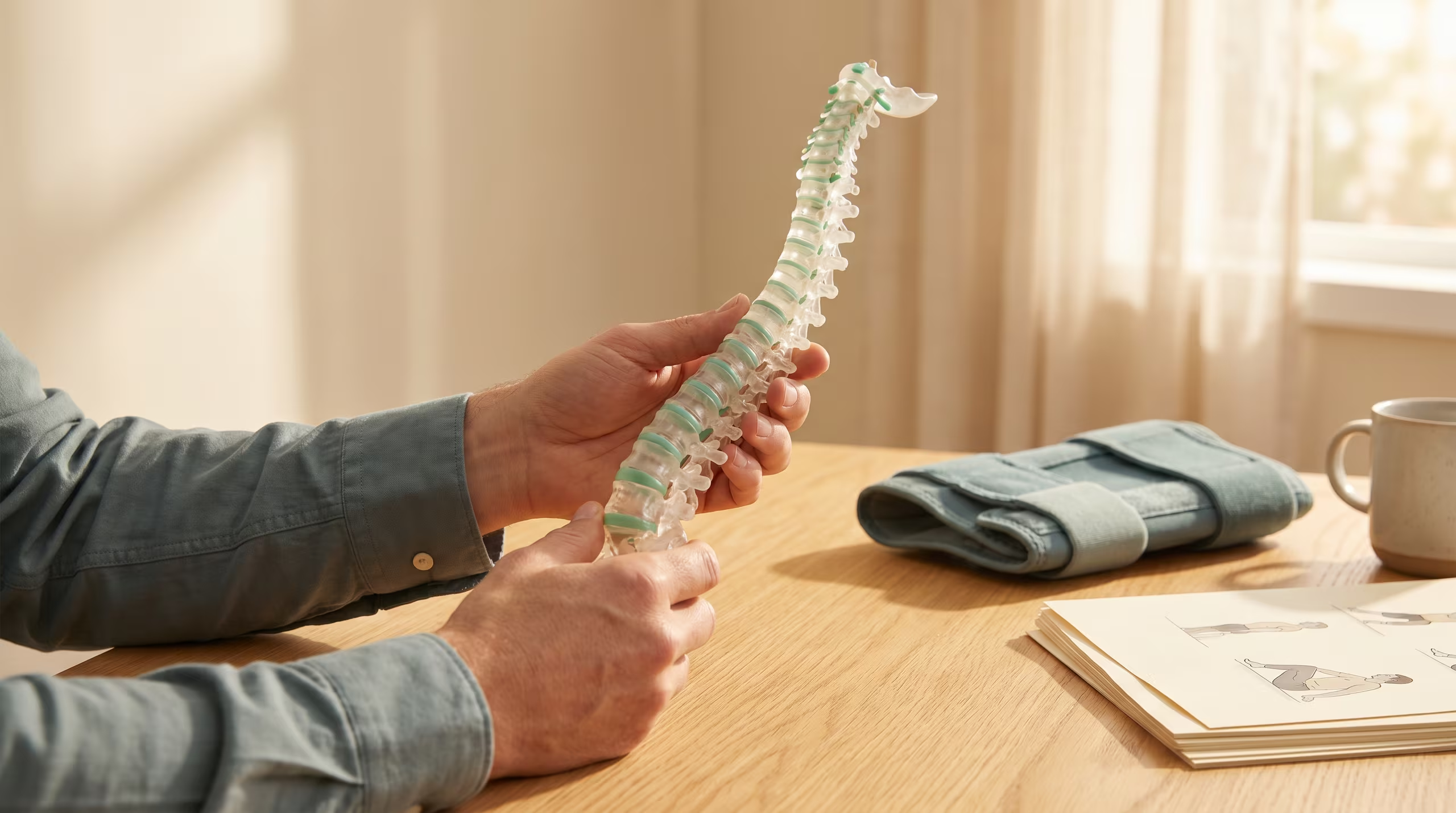
Most children and adolescents with scoliosis do not require surgery. The choice of building block and its timing depends on the Cobb angle, the remaining growth potential, and your child's everyday life.

Scoliosis-specific physiotherapy is a firm building block of every treatment plan. For mild curves it is applied on its own; for moderate curves it is combined with a brace. It works only when performed consistently and with correct technique.
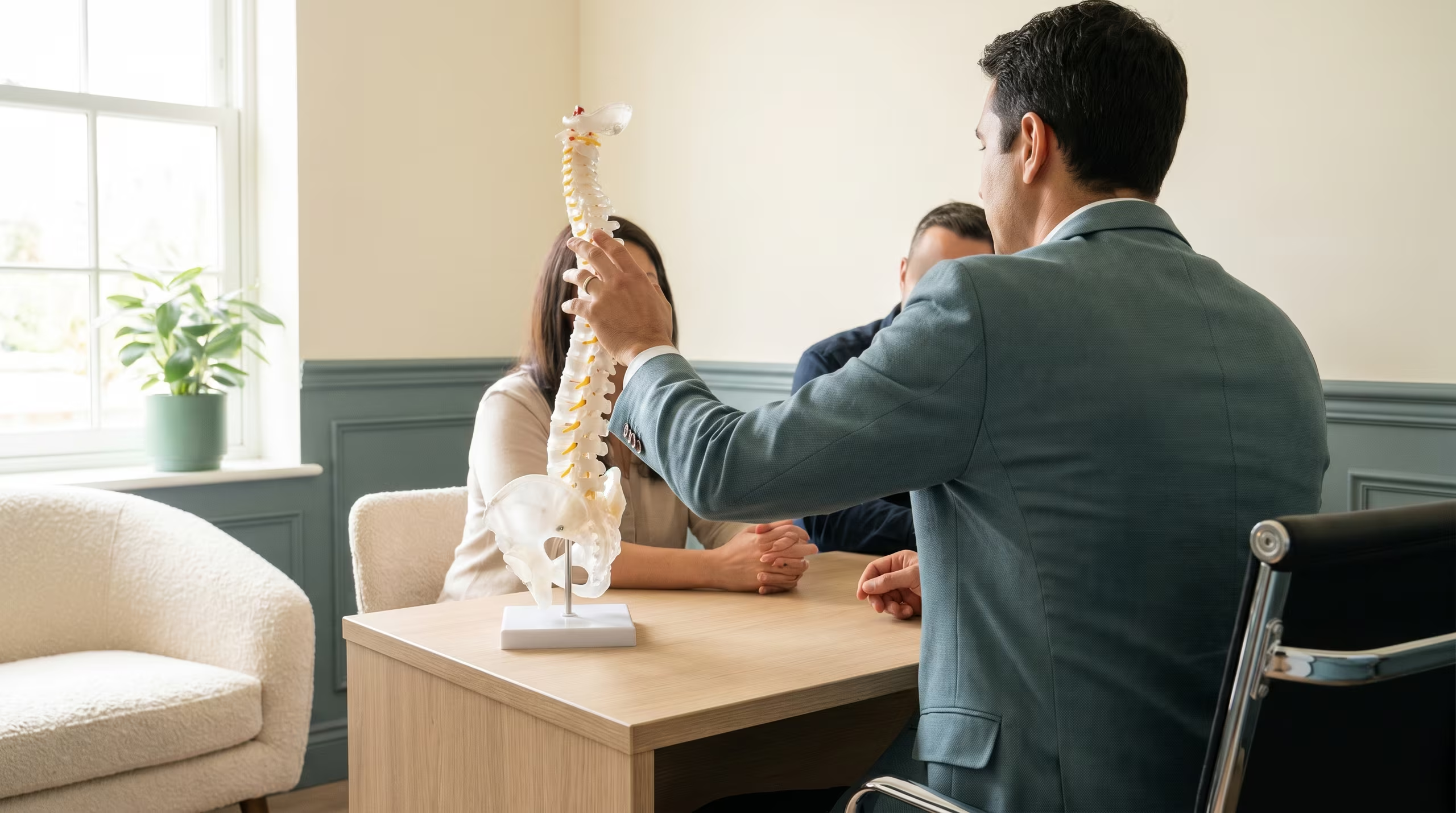
A scoliosis operation is a plannable procedure with clearly defined phases. The better your family understands the sequence, the calmer the preparation becomes.

A scoliosis diagnosis does not change life fundamentally; it requires a few considered adjustments. Most activities remain accessible, and active movement is itself part of the therapy.

A first appointment at IIMI Institute lasts around 60 minutes and clarifies the essentials: the current clinical picture, what has been established, and the next reasonable step. No rushed decisions, no unnecessary tests.
A scoliosis diagnosis is built from several building blocks. First comes a precise clinical examination and palpation. If indicated, a full-spine radiograph follows, from which the Cobb angle is derived. This page explains which step answers which question.
A surgical decision is rarely made spontaneously and never on the basis of a Cobb angle alone. This page explains which criteria must come together and why composure and a second opinion are time well invested.
A well-fitted brace is the most effective conservative option for moderate scoliosis curves during ongoing growth. It is demanding, yet time-limited, and it can help avoid an operation.
Some signs of childhood or adolescent scoliosis are visible to the naked eye; others become noticeable only on closer inspection. This page describes the indicators worth paying attention to, along with situations in which a medical appointment is advisable.
The course of adolescent scoliosis is determined primarily by the remaining growth potential and the current Cobb angle. Both parameters are measurable, and they form the basis of every well-grounded decision.
Most children and adolescents with scoliosis do not require surgery. The choice of building block and its timing depends on the Cobb angle, the remaining growth potential, and your child's everyday life.
Scoliosis-specific physiotherapy is a firm building block of every treatment plan. For mild curves it is applied on its own; for moderate curves it is combined with a brace. It works only when performed consistently and with correct technique.
A scoliosis operation is a plannable procedure with clearly defined phases. The better your family understands the sequence, the calmer the preparation becomes.
A scoliosis diagnosis does not change life fundamentally; it requires a few considered adjustments. Most activities remain accessible, and active movement is itself part of the therapy.
A first appointment at IIMI Institute lasts around 60 minutes and clarifies the essentials: the current clinical picture, what has been established, and the next reasonable step. No rushed decisions, no unnecessary tests.
A scoliosis diagnosis is built from several building blocks. First comes a precise clinical examination and palpation. If indicated, a full-spine radiograph follows, from which the Cobb angle is derived. This page explains which step answers which question.
A surgical decision is rarely made spontaneously and never on the basis of a Cobb angle alone. This page explains which criteria must come together and why composure and a second opinion are time well invested.
A well-fitted brace is the most effective conservative option for moderate scoliosis curves during ongoing growth. It is demanding, yet time-limited, and it can help avoid an operation.
Some signs of childhood or adolescent scoliosis are visible to the naked eye; others become noticeable only on closer inspection. This page describes the indicators worth paying attention to, along with situations in which a medical appointment is advisable.
The course of adolescent scoliosis is determined primarily by the remaining growth potential and the current Cobb angle. Both parameters are measurable, and they form the basis of every well-grounded decision.
Most children and adolescents with scoliosis do not require surgery. The choice of building block and its timing depends on the Cobb angle, the remaining growth potential, and your child's everyday life.
Scoliosis-specific physiotherapy is a firm building block of every treatment plan. For mild curves it is applied on its own; for moderate curves it is combined with a brace. It works only when performed consistently and with correct technique.
A scoliosis operation is a plannable procedure with clearly defined phases. The better your family understands the sequence, the calmer the preparation becomes.
A scoliosis diagnosis does not change life fundamentally; it requires a few considered adjustments. Most activities remain accessible, and active movement is itself part of the therapy.
A first appointment at IIMI Institute lasts around 60 minutes and clarifies the essentials: the current clinical picture, what has been established, and the next reasonable step. No rushed decisions, no unnecessary tests.
50 questions parents and adolescents ask most often.
Adolescent idiopathic scoliosis (AIS) is a three-dimensional structural deformity of the spine defined by a Cobb angle of ≥10° in the coronal plane combined with axial vertebral rotation, typically manifesting between ages 10 and 18. The diagnostic workflow follows the German AWMF-S2k guideline "Adolescent Idiopathic Scoliosis" (register no. 151/002, Stand 15.03.2023, valid through 14.03.2028) and rests on three sequential steps: a structured clinical examination in underwear, the Adams forward-bend test with a scoliometer measurement of axial trunk rotation (ATR), and — only when clinical findings warrant it — a full-spine standing radiograph in two planes for Cobb-angle quantification and skeletal-maturity assessment. A diagnosis of AIS requires exclusion of congenital, neuromuscular, and syndromic causes before the "idiopathic" label is applied.
Scoliosis is a three-dimensional structural deformity of the spine: lateral deviation in the coronal plane, axial rotation of the vertebral bodies, and — almost always — an altered sagittal profile (flattened thoracic kyphosis, altered lumbar lordosis). By radiographic convention, a Cobb angle of ≥10° combined with vertebral rotation constitutes scoliosis. This radiographic threshold is not a clinical treatment threshold — many mild curves are simply observed. The most common form in the 10–18-year age group is adolescent idiopathic scoliosis (AIS), affecting an estimated 0.5–5% of adolescents depending on the cut-off used, with a clear female predominance for curves progressing beyond 20°. "Idiopathic" means no single cause has been identified — it is not bad posture, not a heavy backpack, not something a parent caused. There is a documented familial aggregation, but AIS is not a lifestyle consequence. A diagnosis is a clinical descriptor, not a verdict about the child or the family.
The differential diagnosis separates four classic categories: idiopathic (no identified cause, ~80% of cases; subdivided by age of onset into infantile <3y, juvenile 3–10y, and adolescent 10–18y), congenital (vertebral malformations present at birth — hemivertebrae, block vertebrae, unsegmented bars), neuromuscular (secondary to cerebral palsy, muscular dystrophy, spinal muscular atrophy, spina bifida, Friedreich ataxia, or polio sequelae), and syndromic or connective-tissue-related (Marfan, Ehlers-Danlos, neurofibromatosis type 1, osteogenesis imperfecta). The distinction is diagnostically and therapeutically central: natural history, progression risk, response to bracing, and surgical indications differ substantially between these groups. The AWMF-S2k 151/002 guideline addresses only the adolescent idiopathic form. When clinical findings raise suspicion of a non-idiopathic cause — atypical pain, neurological deficit, rapid progression, left thoracic curve pattern, café-au-lait spots, mid-line skin anomaly, family history of connective-tissue disease — further workup (MRI, genetic consultation, neurological assessment) is indicated before assuming AIS.
The distinction is between structural and non-structural (functional) curves, and it determines everything that follows. Non-structural curves — caused by leg-length discrepancy, pelvic obliquity, muscle spasm, or postural habit — correct or substantially reduce when the underlying factor is addressed (standing straight, side-bending to the concave side, heel lift for leg-length difference). They do not show axial vertebral rotation on imaging. Structural scoliosis persists in side-bending, on supine imaging, and under active self-correction, and it is accompanied by measurable vertebral rotation — visible clinically as a rib hump in the Adams forward-bend test and quantifiable on radiography by Nash-Moe grading or pedicle offset. The scoliometer (ATR value) on the Adams test is the practical clinical screen: an ATR ≥5–7° is the conventional threshold for further radiographic workup. Below that, a "curvature" in standing that resolves on supine imaging is very unlikely to be structural idiopathic scoliosis.
Classic clinical signs arise from the three-dimensional geometry of the curve: asymmetric shoulder height (the convexity side often higher in thoracic curves), a prominent scapula on the convexity side, an asymmetric "triangle" between the arm and the flank (the waist crease is deeper on the concavity side), pelvic tilt (though often secondary to leg-length difference rather than scoliosis), and — most characteristically — a rib or lumbar prominence visible only when the child bends forward. The rib hump reflects vertebral rotation: as the vertebrae rotate, the ribs on the convexity rotate backwards and protrude. A subtle but reliable sign in girls is a unilaterally more prominent breast contour, which is caused by chest-wall rotation rather than breast asymmetry itself. Most adolescents with AIS do not have pain initially; back pain as a presenting complaint raises suspicion of a secondary cause (spondylolysis, disc pathology, tumor) and should always be taken seriously rather than attributed automatically to the curve.
The key terms, explained in plain language.
A three-dimensional spinal deformity combining a sideways curve and rotation of the vertebrae, typically measured at 10° Cobb angle or more.
Of unknown cause. Most adolescent scoliosis is idiopathic — no identifiable trigger, strong familial clustering.
The most common form — a lateral and rotational curvature of the spine that begins between ages 10 and 18 with no identifiable cause.
A three-dimensional spinal deformity combining a sideways curve and rotation of the vertebrae, typically measured at 10° Cobb angle or more.
Of unknown cause. Most adolescent scoliosis is idiopathic — no identifiable trigger, strong familial clustering.
The most common form — a lateral and rotational curvature of the spine that begins between ages 10 and 18 with no identifiable cause.
Scoliosis caused by malformed vertebrae present at birth. Usually managed differently from idiopathic scoliosis.
Scoliosis secondary to a neurological or muscular disease (e.g., cerebral palsy, muscular dystrophy).
A fixed curve with vertebral rotation that does not straighten when the child stands upright or bends.
A reversible side-curve caused by posture, muscle spasm, or leg length difference — not a true structural deformity.
The normal forward curve of the thoracic (upper) spine when viewed from the side. Excess kyphosis is "hunchback" posture.
02 / CONTACT
Message us on your preferred channel. Tell us about your child — we will get back to you with next steps.