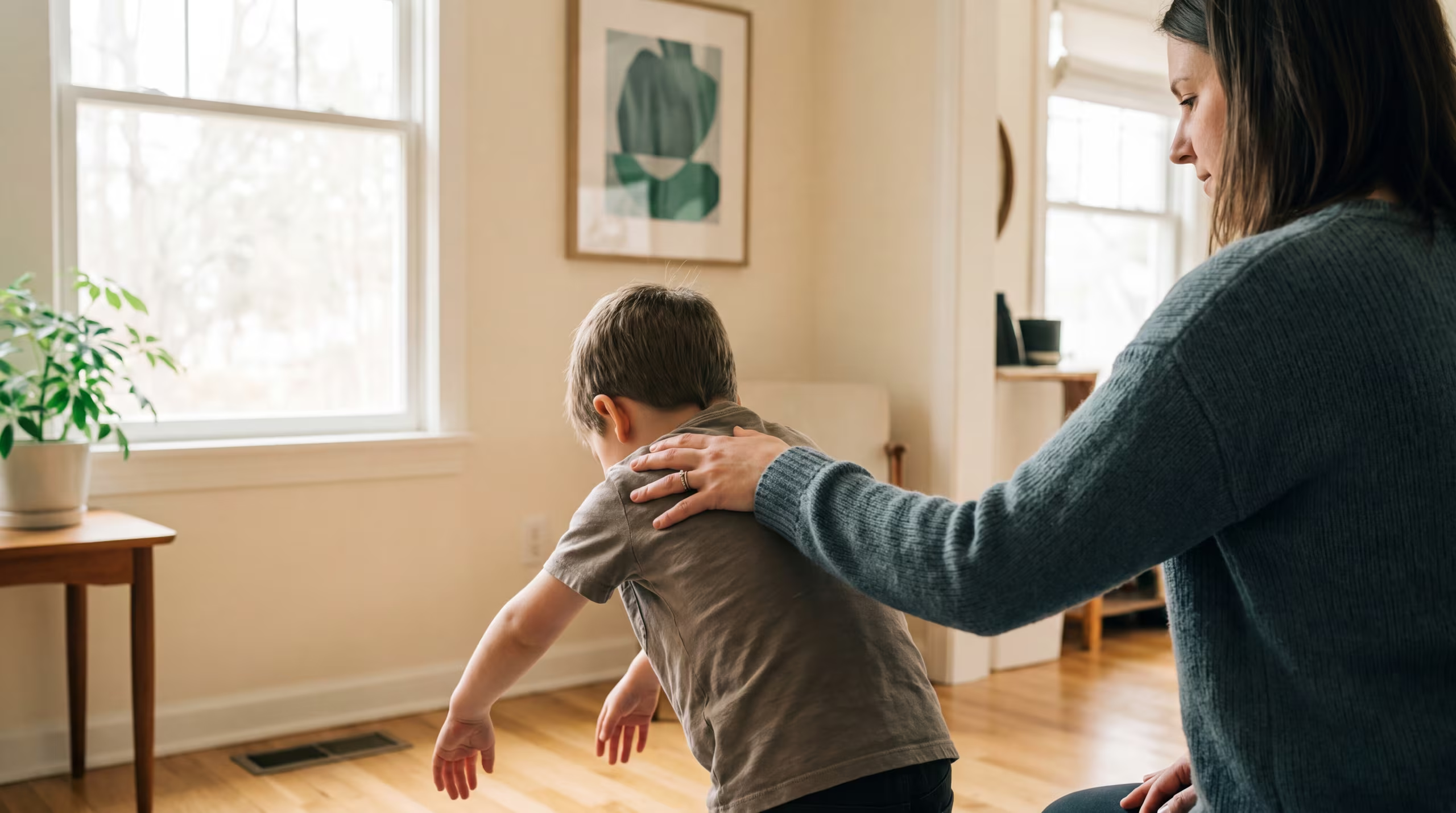
Seven signs parents can look for
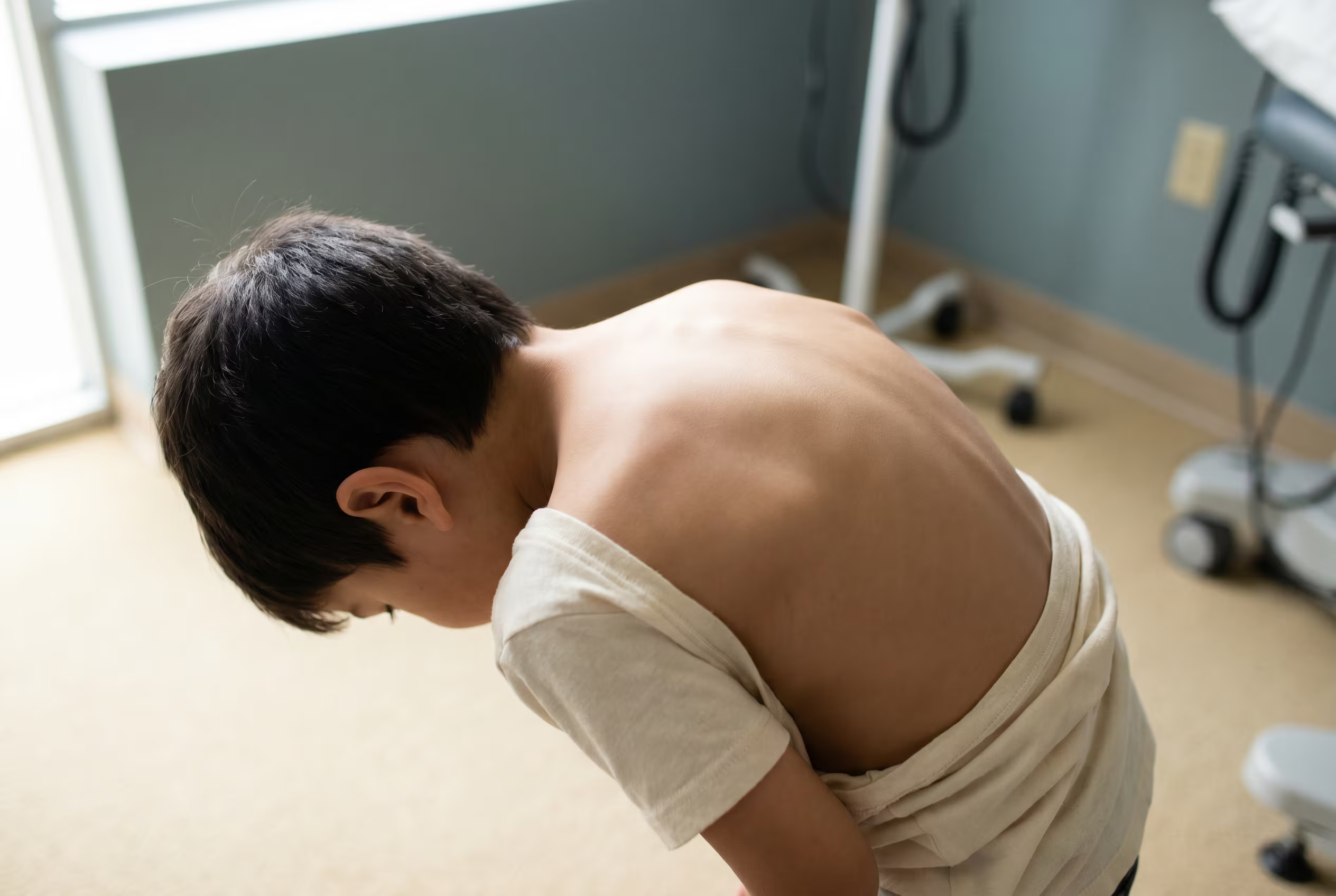
On your child's back and torso, pay attention to the following seven signs: (1) the shoulders are at different heights; (2) one shoulder blade protrudes more than the other; (3) the waist is shaped unevenly from side to side; (4) the pelvic level is asymmetrical; (5) on forward bending, one side of the ribcage stands out (rib hump) or a lumbar bulge appears; (6) the upper body leans slightly to one side; (7) clothing sits crookedly — collars, hems, and waistbands look off-level. Many parents notice scoliosis for the first time precisely because of one of these asymmetries. Many children with adolescent idiopathic scoliosis initially have no pain at all; mild back pain can occur, but strong, persistent, or unusual pain is not typical for the standard course and should be investigated separately.